
Year-End Tax Planning for Small Businesses: 2026 Checklist

2 min read
Most business owners think about taxes in April. By then the year is closed and almost every planning option is gone. Year-end tax planning happens in November and December, while you can still change what lands on this year’s return. This checklist covers the moves we review with clients before December 31, 2026.
Why Year-End Tax Planning Matters
Your tax bill is set by what happens inside the calendar year: when income is received, when expenses are paid, what equipment is placed in service and how much goes into retirement accounts. Once January 1 arrives, those numbers are locked. A short year-end tax planning meeting compares your actual results so far with a projection for the full year, so you can decide what to accelerate, what to defer and how much to set aside.
Year-End Tax Planning Checklist for 2026
1. Project your full-year profit
Close the books through October or November and project December. Without current monthly bookkeeping, every other decision on this list is a guess.
2. Time income and expenses
If you report on a cash basis, invoices collected in January and bills paid in December can move income and deductions between years. This works best when you expect a lower or higher income next year.
3. Buy equipment before year end
Equipment, computers and vehicles placed in service by December 31 can be deducted this year. For 2026, Section 179 allows up to $2,560,000 of qualifying purchases, and 100% bonus depreciation is back for property acquired after January 19, 2025. Buy what the business needs, not just for the deduction.
4. Fund retirement accounts
For 2026, employees can defer up to $24,500 into a 401(k), and total contributions to a defined contribution plan, including a SEP IRA, can reach $72,000. Some plans must be set up before December 31 to count for this year, so check now.
5. Review owner pay for S corporations
S corporation owners need reasonable W-2 wages before the last payroll of the year. Too little salary is an audit risk, and too much can cost payroll tax you did not need to pay.
6. Check your estimated tax payments
Compare what you have paid in federal and California estimates with your projected tax. Catching a shortfall in December avoids underpayment penalties. The Franchise Tax Board and the IRS each have their own safe-harbor rules.
7. Look at your entity and the California PTE election
If profits have grown, an S corporation election or the California pass-through entity tax may lower your total tax. Both need planning before year end to work for 2026.
Year-End Business Housekeeping
A few tasks are not tax moves, but they make January much easier:
- Count inventory if you sell products.
- Review your business insurance: liability, workers’ compensation and health coverage.
- Compare this year’s profit and loss with last year’s to see what changed.
- Back up your financial records and store receipts digitally.
Book Your Year-End Tax Planning Meeting
Want a second pair of eyes before December 31? Spatola CPA works with business owners in Woodland Hills and across the San Fernando Valley on year-round business tax planning, and a year-end review is the best place to start. Contact us or see our pricing.
Year-End Tax Planning for California Business Owners
California adds its own layer. The state does not follow every federal rule, including some depreciation rules, so a purchase that saves a lot of federal tax may save less on your California return. Year-end tax planning should project both returns, not just the federal one, and that is how we run our business tax planning meetings.
Not Sure Where to Start?
Discuss your accounting and tax planning needs with Spatola CPA.
Complimentary 20-minute introductory call via Zoom
Keep Reading

7 Last-Minute Tax Deductions Small Business Owners Can Still Take Before December 31
There is still time to lower this year’s tax bill. These last-minute tax deductions work for most small businesses in Woodland Hills and the…
Year-End Payroll Checklist for 2026: What Every Small Business Needs Before January 1
December is the busiest compliance month for any business with employees or contractors. This year-end payroll checklist helps business owners in Woodland Hills and…
Owe the IRS and the FTB? How Payment Plans Work in California
An Encino law practice files its returns in April and finds two balances it can’t cover: one to the IRS and one to the…
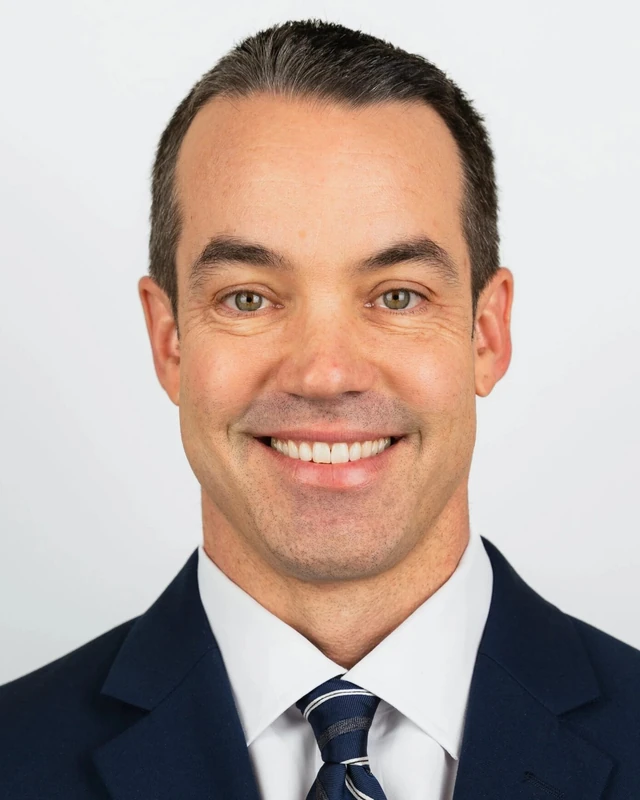
Shonty Spatola
CPA/PFS, CFP®
A More Proactive Approach to Your Business Finances
Discuss your accounting and tax planning needs with Spatola CPA.
Prefer to talk now? Call 310-477-7979